
Wide release date: November 7, 2025.
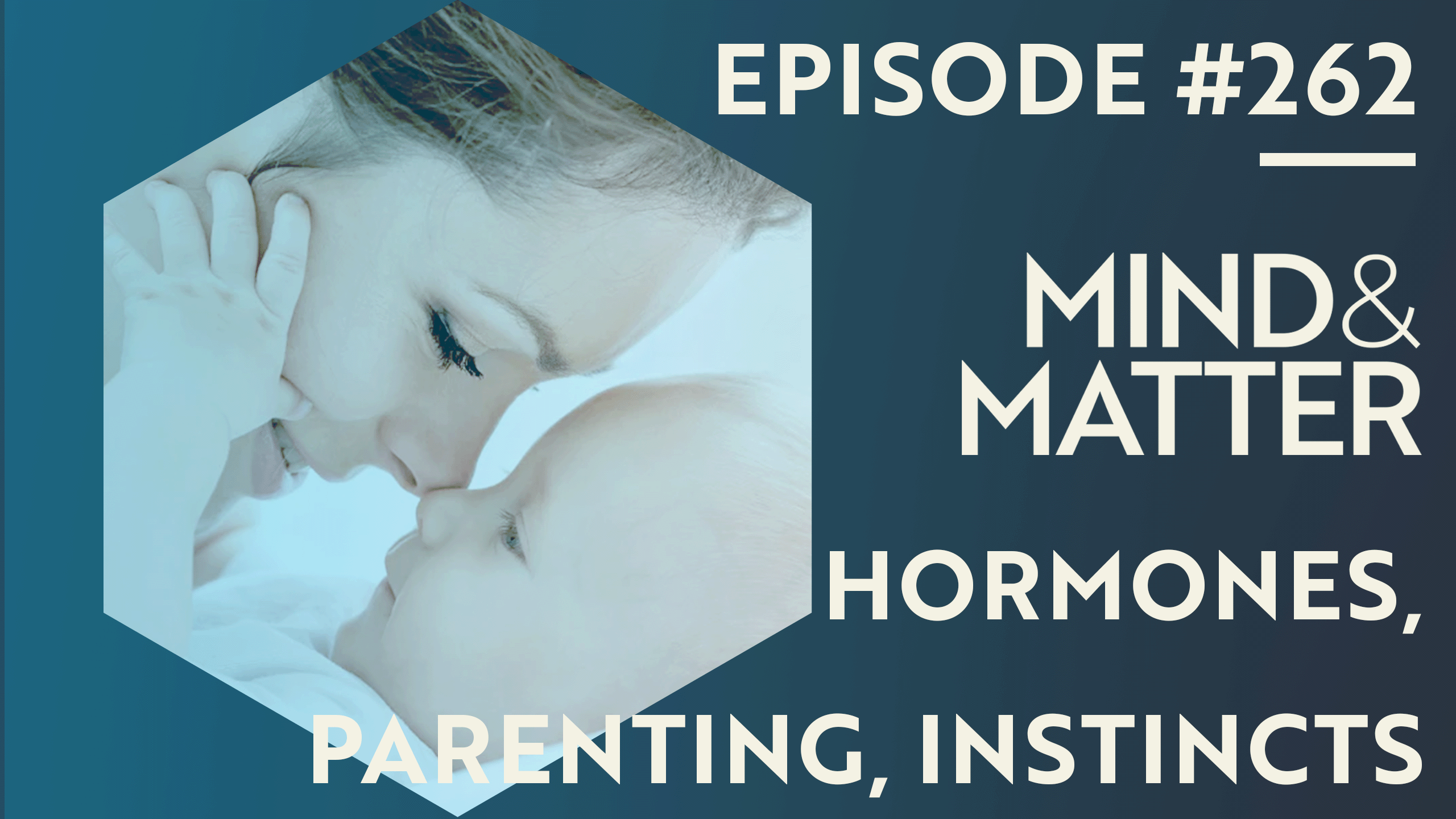
Episode Summary: Dr. Johannes Kohl explains instinctive behaviors in mice, focusing on how hunger and estrous cycle hormones interact in the hypothalamus to toggle between parental care and pup-directed aggression in virgin females; he also details how pregnancy hormones rewire the medial preoptic area for robust maternal behavior before birth, revealing multi-timescale neural integration of internal states.
About the guest: Jonny Kohl, PhD is a group leader at the Francis Crick Institute in London, heading the State-Dependent Neural Processing Lab.
Discussion Points:
Instincts are pre-wired, robust yet modifiable by experience and states like hunger.
AGRP “hunger neurons” in the hypothalamus regulate hunger state and respond to environmental cues related to food.
Hunger regulates parental care neurons in medial preoptic area (MPOA) via inhibitory peptides.
Estrous cycle (4-5 days) in mice comes with fluctuations in estradiol & progesterone; their ratio, not absolute levels, gates aggression probability.
Hormone ratio sensed in MPOA neurons via nuclear receptors altering gene expression of HCN ion channels, changing excitability.
Pregnancy (20 days) boosts parental circuits in MPOA via hormone surges before pregnancy ends, enabling instant care at birth.
Hormone fluctuations enable adult brain plasticity.
Humans disrupt natural cycles (e.g., hormonal contraceptives, GLP-1 drugs) that have broad, poorly understood brain effects.
Reference Paper:
Study: Integration of hunger and hormonal state gates infant-directed aggression
Related Episode:
M&M 89: Neuroscience of Aggression, Sex, Behavior, Hormones, Emotion & Consciousness | David Anderson
*Not medical advice.
Full video version: [YouTube]
Support M&M if you find value in this content.
Episode transcript below.
Episode Chapters:
00:00:00 Intro
00:03:26 Dr. Kohl Intro
00:08:19 Defining Behavioral State
00:13:08 Hunger Circuitry & AGRP Neurons
00:18:16 Hunger vs Parental Behavior in Virgin Females
00:20:44 Estrous Cycle & Hormone Fluctuations
00:28:54 Hunger-Hormone Integration in MPOA
00:35:51 Ion Channels & Multi-Timescale Signaling
00:43:12 Pregnancy Rewires Parental Circuits
00:48:55 Balancing Hunger & Maternal Care
00:53:28 Hormonal Contraception & Brain Effects
00:57:16 Future Directions & Closing
Full AI-generated transcript below. Beware of typos & mistranslations!
Listen to this episode with a 7-day free trial
Subscribe to Mind & Matter to listen to this post and get 7 days of free access to the full post archives.