


Wide release date: December 12, 2025.
Topics Discussed:
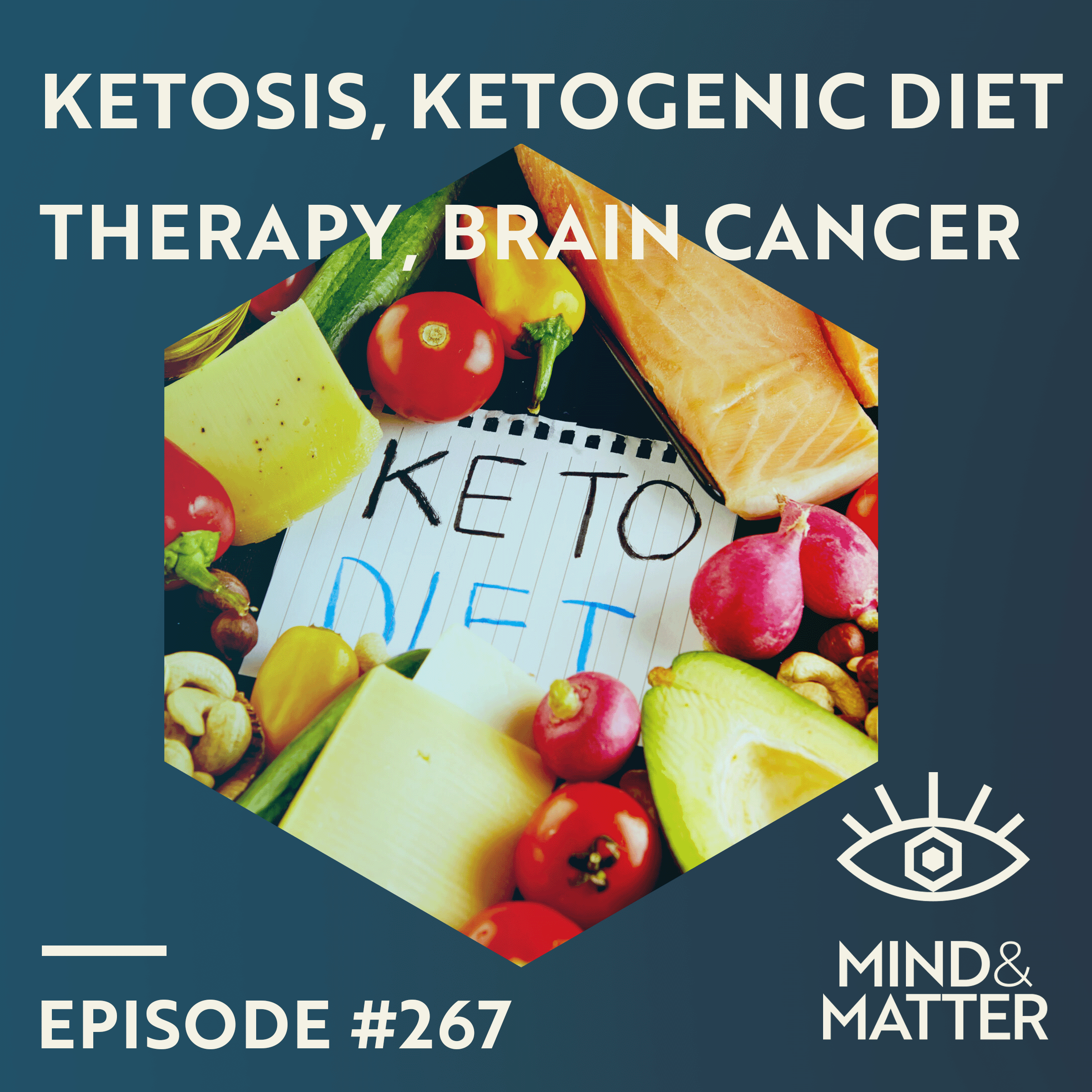
Organs have different fuel preferences: brain strongly prefers glucose, heart prefers fatty acids, skeletal muscle is flexible and likes fat/ketones.
Humans evolved with high metabolic flexibility; regular ketosis was normal for ancestors, but today most people never experience it.
“Keto flu” is largely glucose withdrawal plus electrolyte/sodium loss; proper salt and hydration prevent most symptoms.
Classic medical ketogenic diet is ~90% fat (historically saturated); modern versions often use more monounsaturated fats, MCTs, and higher protein.
Saturated fat is not inherently atherogenic in the context of weight stability or caloric deficit; excess calories from any source can dysregulate metabolism.
Exogenous ketones (e.g. BHB) provide energy, reduce ROS, stabilize membranes, increase inhibitory tone (GABA), and have hormone-like signaling effects independent of diet.
Cancer cells often show Warburg effect (damaged mitochondrial respiration → heavy reliance on glycolysis); lowering glucose and raising ketones can stress cancer cells.
True keto-adaptation for athletic performance requires 6–12 weeks; after that, elite athletes can match or exceed prior high-carb performance at sub-maximal and endurance efforts.
Practical Takeaways:
Therapeutic carbohydrate restriction (50–100 g/day for many people) plus occasional fasting or ketone supplements can restore metabolic flexibility with far fewer side effects than strict keto.
Prioritize whole-food fats (eggs, fatty fish, beef, olive oil, butter/lard) and minimize processed keto products loaded with seed oils.
Supplementing BHB (salts or esters) or MCT oil can ease the transition into ketosis, boost ketones without strict dieting, and may support brain and metabolic health.
Regularly check basic blood markers (glucose, lipids, electrolytes) and consider an OmegaQuant test; optimizing metabolic health is one of the strongest preventable steps against cancer, neurodegeneration, and heart disease.
About the guest: Dominic D’Agostino, PhD, is an associate professor at the University of South Florida Morsani College of Medicine in the Department of Molecular Pharmacology and Physiology
Related Episode:
M&M 224: Cancer Biology: Metabolism, Mitochondria & Energy | Thomas Seyfried
Supplemental Ketone (BHB):
KetoCitra—Ketone body BHB with potassium, calcium & magnesium, formulated with kidney health in mind. Use code MIND20 for 20% off.
*Not medical advice.
Full video version: [YouTube]
Support M&M if you find value in this content.
Episode transcript below.
Full AI-generated transcript below. Beware of typos & mistranslations!
Listen to this episode with a 7-day free trial
Subscribe to Mind & Matter to listen to this post and get 7 days of free access to the full post archives.


