



Wide release: Available for free by Sep 15, 2026, on Apple, Spotify, YouTube, etc.
Early access: Available to paid subscribers here on Substack.
Not medical advice
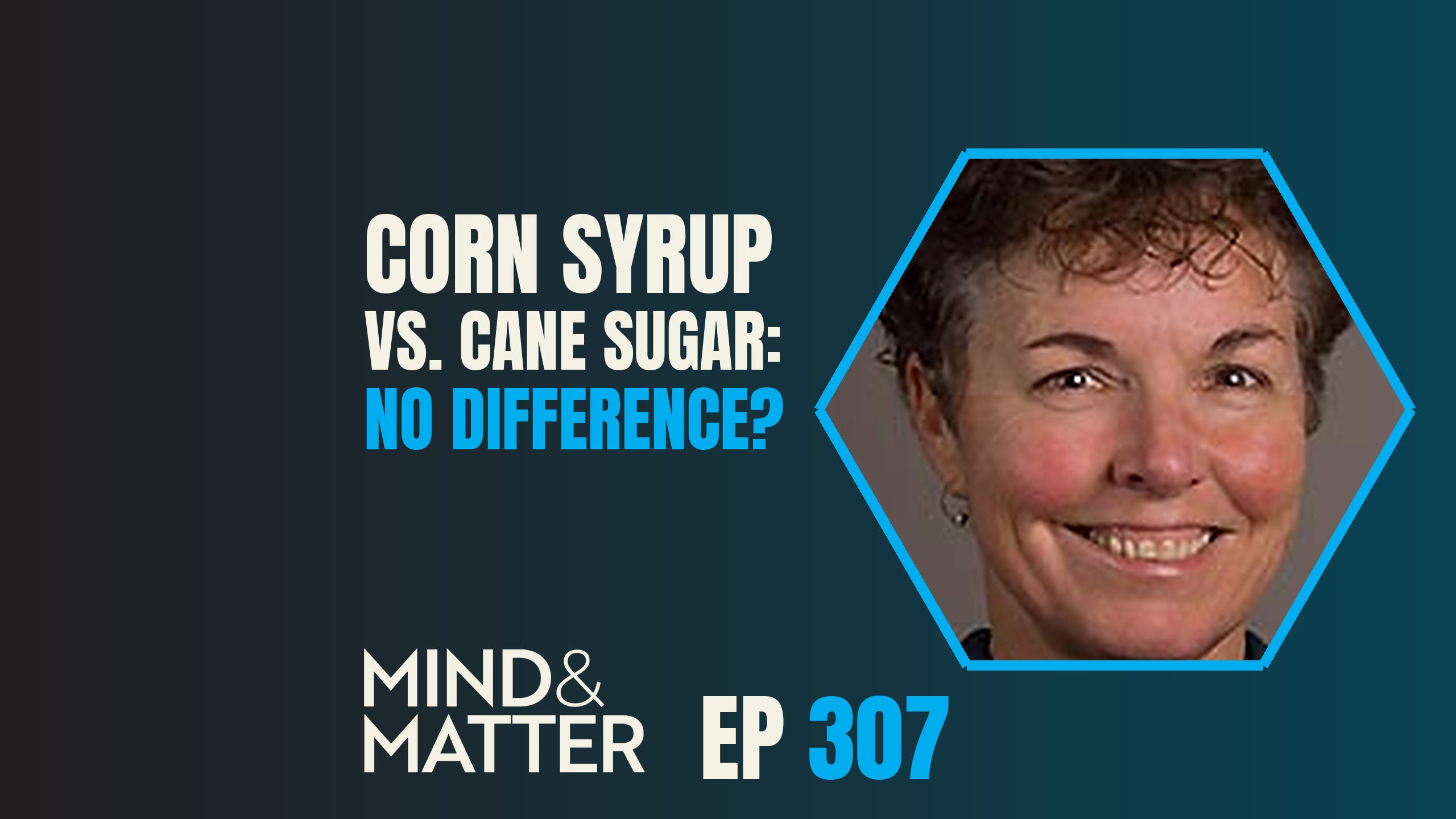
Nick talks with Dr. Kimber Stanhope about human controlled-feeding trials on fructose, glucose, sucrose, and high-fructose corn syrup (HFCS). Her work shows that fructose is pulled into the liver with little energy regulation, driving hepatic de novo lipogenesis (DNL), postprandial triglycerides, VLDL/LDL particles, uric acid, fatty liver, and reduced insulin sensitivity in a dose-dependent way—including measurable risk-factor rises near 10% of energy as sugar-sweetened beverages—while matched sucrose and HFCS look similar at equal calories, and weight stability alone does not clear the lipid signal.
TOPICS DISCUSSED:
Glucose vs Fructose in the Liver: Glucose and fructose are handled by the liver in distinct ways.
Natural Sugars vs Processed Sugars: Whole fruit is mostly water, fiber, and micronutrients at modest sugar density; cookies and sodas pack far more sugar per weight and are easier to overconsume.
HFCS on Store Shelves: Industry cites 55% fructose for beverages, but independent assays of sodas often land higher (around 60% on average, up to ~68%) with no tight standard of identity.
Sucrose vs HFCS: In head-to-head controlled feeding, matched-calorie sucrose (~50/50) and HFCS (55/45) moved risk factors similarly versus an aspartame control; total dose mattered more than that small ratio gap.
Dose Response: At roughly 10%, 17.5%, and 25% of energy as HFCS beverages, LDL, triglycerides, apoB, uric acid, liver fat, and insulin sensitivity worsen in a dose-dependent way.
Fructose vs Glucose Beverages (10 Weeks): Fructose—not matched glucose—raised 24-h uric acid, RBP-4, and other biomarkers in overweight/obese adults.
Fructose × Glucose Interaction: In some comparisons, HFCS raised LDL/apoB more than fructose alone, consistent with glucose amplifying the lipid signal.
Orange Juice vs Sucrose Beverage: On a fully provided diet, both raised apoB/LDL/postprandial triglycerides even with slight weight loss; OJ lowered uric acid while sucrose did not.
ABOUT THE GUEST:
Kimber Stanhope, PhD, RD is a research nutritional biologist at the University of California, Davis. For nearly three decades she has designed and run human studies on how dietary sugars change metabolic risk markers.
RELATED CONTENT:
Podcast | Fructose Metabolism in Obesity, Dementia, Evolution | Richard Johnson
Article| Dietary Fructose & Metabolic Health: An Evolutionary Perspective
KNOW YOURSELF:
Visit the SUPPORT PAGE if you find value in this content. Includes discount codes and links to affiliate partners.
Listen or watch on your favorite platform:
PRACTICAL TAKEAWAYS:
Use the Added Sugars line on the Nutrition Facts label as the main store-shelf monitor. Stanhope treats roughly 40 g/day as a high ceiling for many people under 40 who exercise, and as too high for many older or sedentary adults.
In her head-to-head trial, sucrose (~50/50 glucose:fructose) and HFCS (55/45) moved risk factors about the same at matched calories. Total added sugar dose mattered more than that small ratio difference—though shelf sodas have measured above 55% fructose in independent assays.
Fructose and glucose are not interchangeable in the liver. Fructokinase is poorly energy-regulated, so a large fructose load favors hepatic fat making, circulating triglycerides/VLDL-LDL, and uric acid production more than matched glucose.
Fasting morning labs miss much of the story. Fructose with meals can keep triglycerides elevated for many waking hours; day-long and postprandial lipids can move when fasting values look quieter.
Slight weight loss or energy balance does not prove metabolic harmlessness. In a fully provided-diet orange-juice vs sucrose-beverage trial, subjects lost a little weight on average and still showed rises in apoB, LDL, and postprandial triglycerides.
Whole fruit is not the same as liquid added sugar. Fiber, water, and micronutrients change how much fructose the liver sees and how easy it is to overconsume; removing packaged high-sugar foods from the house is the practical first step she emphasizes.
SUBSCRIBER CONTENT BELOW: Reference paper + episode transcript.
Listen to this episode with a 7-day free trial
Subscribe to Mind & Matter to listen to this post and get 7 days of free access to the full post archives.


