
Wide release date: December 2, 2025.
Topics Discussed:
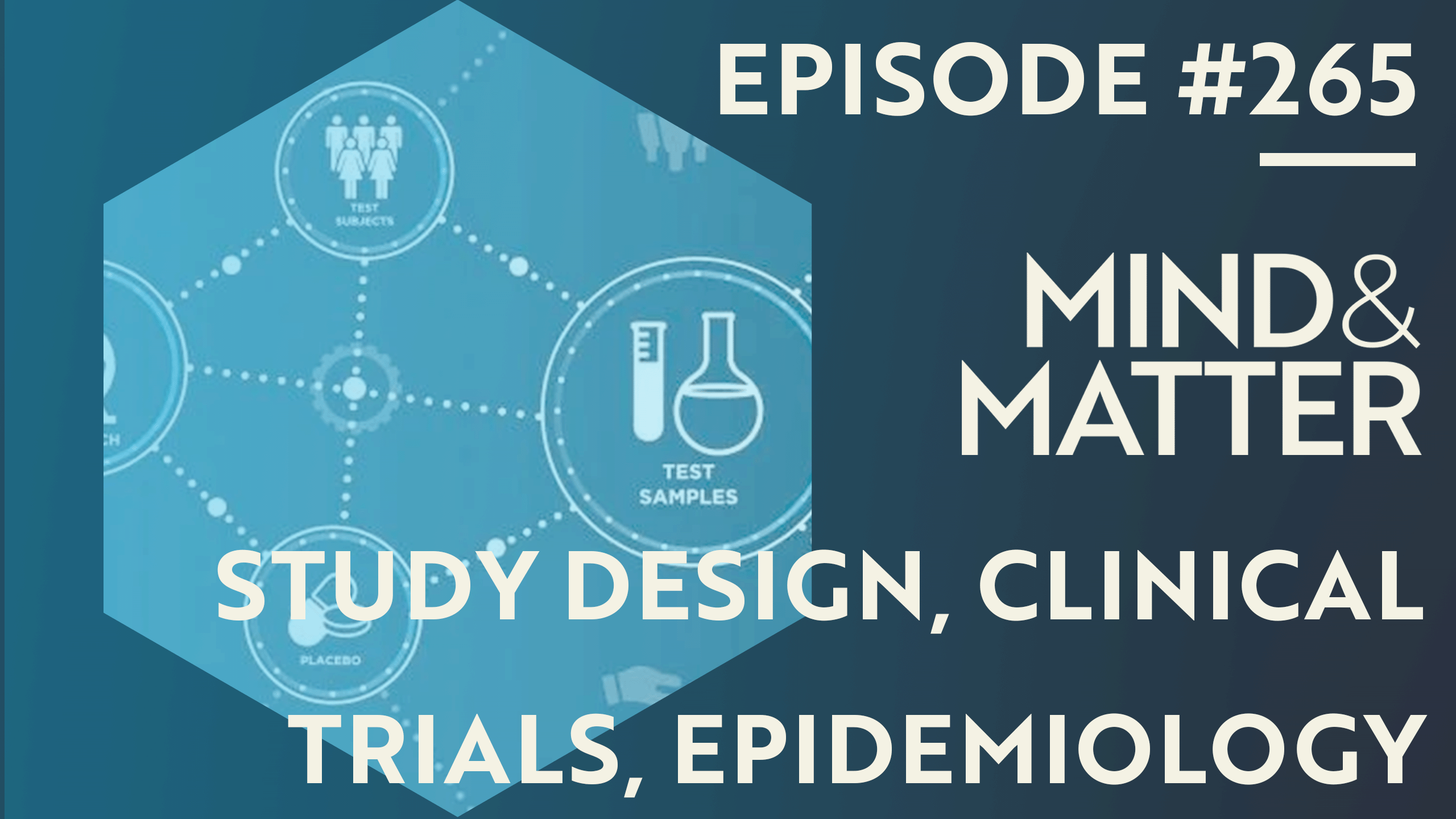
Epidemiology basics: Studies disease influences using observational designs like case-control and prospective cohorts, plus trials, to identify patterns and test hypotheses.
Hierarchy of evidence critique: Rejects rigid pyramids favoring RCTs, as all studies can be biased; advocates triangulation integrating varied data types for robust conclusions.
RCT strengths & weaknesses: Randomization balances confounders, but issues like poor blinding, attrition, or subversion can undermine results; large samples may yield spurious precision if biased.
Confounding & reverse causation: Examples include yellow fingers and lung cancer (both from smoking) or early atherosclerosis inflating CRP-disease links; hard to fully control statistically.
Nutrition epidemiology pitfalls: Observational studies often overstate benefits (e.g., vitamin E for heart disease), leading to failed trials; incentives favor new findings over revisiting errors.
Mendelian randomization: Uses genetic variants as proxies for exposures (e.g., ALDH2 for alcohol metabolism) to mimic randomization; reveals no heart benefits from alcohol, unlike observational data.
Negative controls for validation: Tests implausible outcomes (e.g., smoking and murder) or exposures (e.g., paternal smoking in pregnancy) to check for confounding artifacts.
Evidence triangulation: Combines diverse studies with different biases (e.g., cross-cultural comparisons) for causality; applied to dismiss HDL-raising drugs despite initial promise.
Practical Takeaways:
Scrutinize health claims by checking for negative controls or variety in evidence sources to avoid mistaking correlation for causation.
For personal decisions like alcohol intake, consider genetic studies showing risks at all levels, and aim for moderation or abstinence based on overall evidence.
When evaluating supplements or diets, prioritize trials over observational data, and question media hype that ignores confounding factors.
Use symmetrical analysis in reading studies: Treat exposures and confounders equally to assess true effects.
About the guest: Dr. George Davey Smith, MD, DSc is a professor of clinical epidemiology at the University of Bristol and director of the MRC Integrative Epidemiology Unit, where he focuses on causal inference in health.
Reference Paper:
Paper: Evidence triangulation in health research
Related Episode:
M&M 212: How Science Really Works: Meta-Research, Publishing, Reproducibility, Peer Review, Funding | John Ioannidis
*Not medical advice.
Full video version: [YouTube]
Support M&M if you find value in this content.
Episode transcript below.
Episode Chapters:
00:00:00 Intro
00:06:01 Hierarchy of Evidence
00:12:54 Sample Size & Precision
00:18:41 Vitamin E Supplements
00:25:05 Nutrition Epidemiology Pitfalls
00:32:01 Preclinical vs Clinical
00:38:04 Negative Controls
00:45:16 Negative Control Exposures
00:52:21 Alcohol Consumption Effects
00:59:00 Mendelian Randomization Example
01:05:16 MR Limitations & Pleiotropy
01:11:20 HDL Cholesterol Myths
01:18:21 Evidence Triangulation
01:23:36 Final Thoughts & Resources
Full AI-generated transcript below. Beware of typos & mistranslations!
Listen to this episode with a 7-day free trial
Subscribe to Mind & Matter to listen to this post and get 7 days of free access to the full post archives.